Hot summer weather can have a particular impact on people living with diabetes. As temperatures rise, the body sweats more and loses more water. If these losses are not adequately replaced, dehydration can occur and make blood sugar levels more difficult to manage. Summer is therefore an important time to pay particular attention to hydration, diet and regular diabetes monitoring.
Does heat always raise blood sugar levels?
Heat does not necessarily cause blood sugar levels to rise. The body’s response can vary from one person to another. Dehydration may contribute to higher blood glucose concentrations, while increased physical activity or changes in eating habits can sometimes lower blood sugar. Holidays can also change daily routines, including meal times, travel, outdoor activities and the consumption of sweet drinks or restaurant meals. All of these factors may influence diabetes management.
Signs that should attract attention
Certain symptoms deserve particular attention during periods of intense heat. Unusual thirst, significant fatigue, dizziness, a dry mouth or repeated changes in blood sugar levels may justify seeking medical advice. More serious symptoms, such as confusion, vomiting, fainting or a significant deterioration in general condition, may require prompt medical attention.
Biological monitoring remains essential
Regular laboratory monitoring also remains important. Depending on the patient’s individual situation, a doctor may request blood glucose testing and HbA1c, which provides information about diabetes control over the previous few months. Kidney function may also need to be monitored, as both diabetes and dehydration can affect the kidneys.
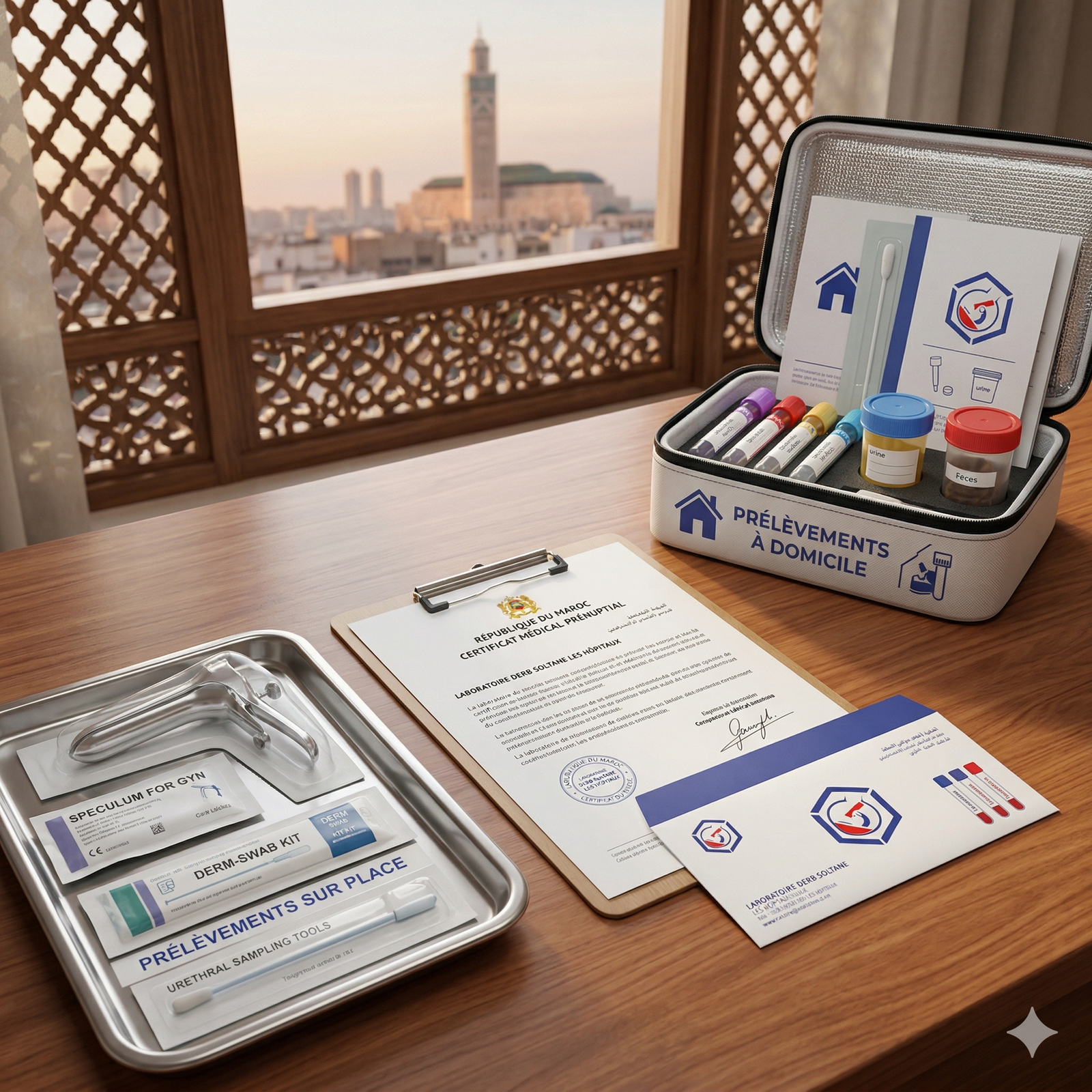
If your doctor has prescribed laboratory tests and you are looking for a laboratory in Casablanca or searching for a laboratory near me, choosing an easily accessible facility can make regular monitoring more convenient. Derb Soltane Les Hôpitaux Laboratory, located in Casablanca’s Quartier des Hôpitaux, provides patients with a range of medical laboratory tests.
Some simple habits for hot days
A few simple habits can also make hot days easier to manage. Drink water regularly rather than waiting until you feel very thirsty, maintain regular meal times whenever possible and avoid prolonged exposure to extreme heat. Medicines, particularly insulin, should also be stored according to their specific instructions and protected from excessive heat. Diabetes treatment should never be changed without consulting a healthcare professional.
Enjoying the summer, peacefully
Living with diabetes does not prevent anyone from enjoying summer. Good hydration, appropriate monitoring and regular medical follow-up generally make it possible to manage periods of hot weather safely. The most important thing is to remain attentive to unusual changes and seek medical advice when symptoms or blood sugar levels become concerning.